
Design Answers shares practical guidance for Austin and Central Texas homeowners planning custom homes, renovations, furnishings, and finishing details. Explore Susie Marion’s answers to the questions clients ask most often about creating a beautiful, functional, and thoughtfully resolved home.
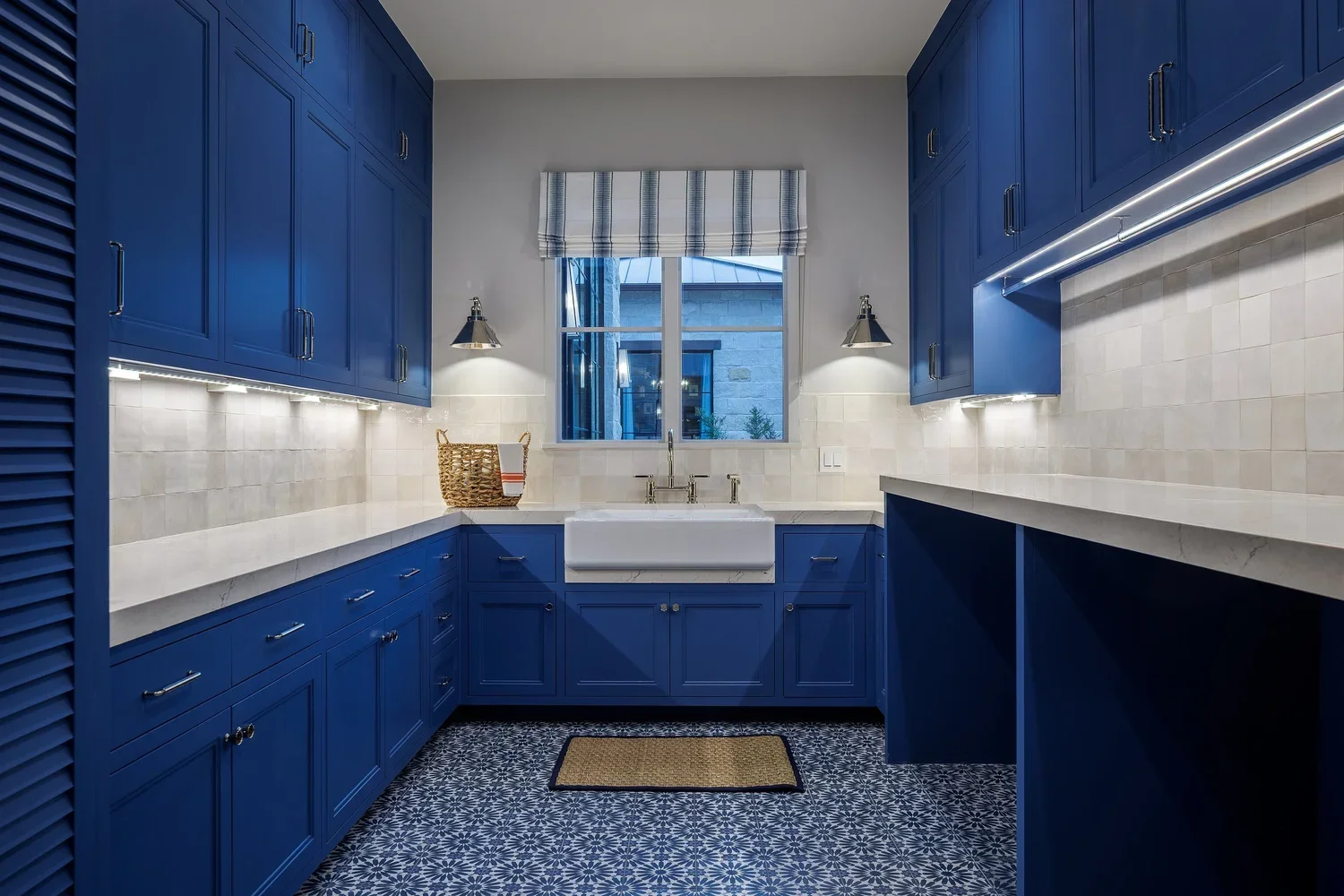
Custom cabinetry should be planned early in a luxury home so storage, appliances, plumbing, lighting, stone and architectural details can be coordinated before fabrication and construction make changes difficult.
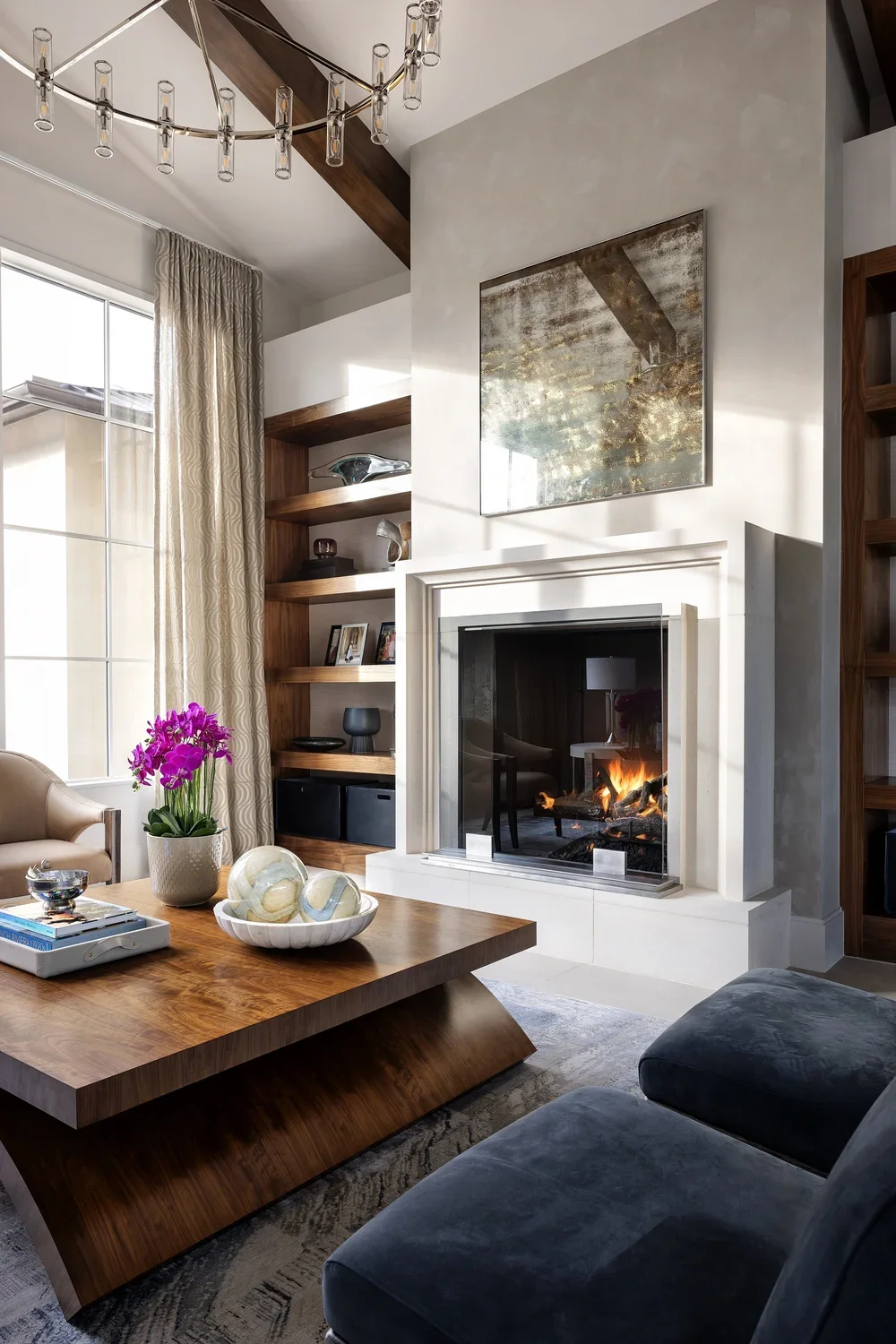
An interior designer should join your custom-home team while the architectural plans can still change. Early collaboration helps coordinate layouts, lighting, cabinetry, plumbing, finishes and furnishings before construction makes revisions more complicated.
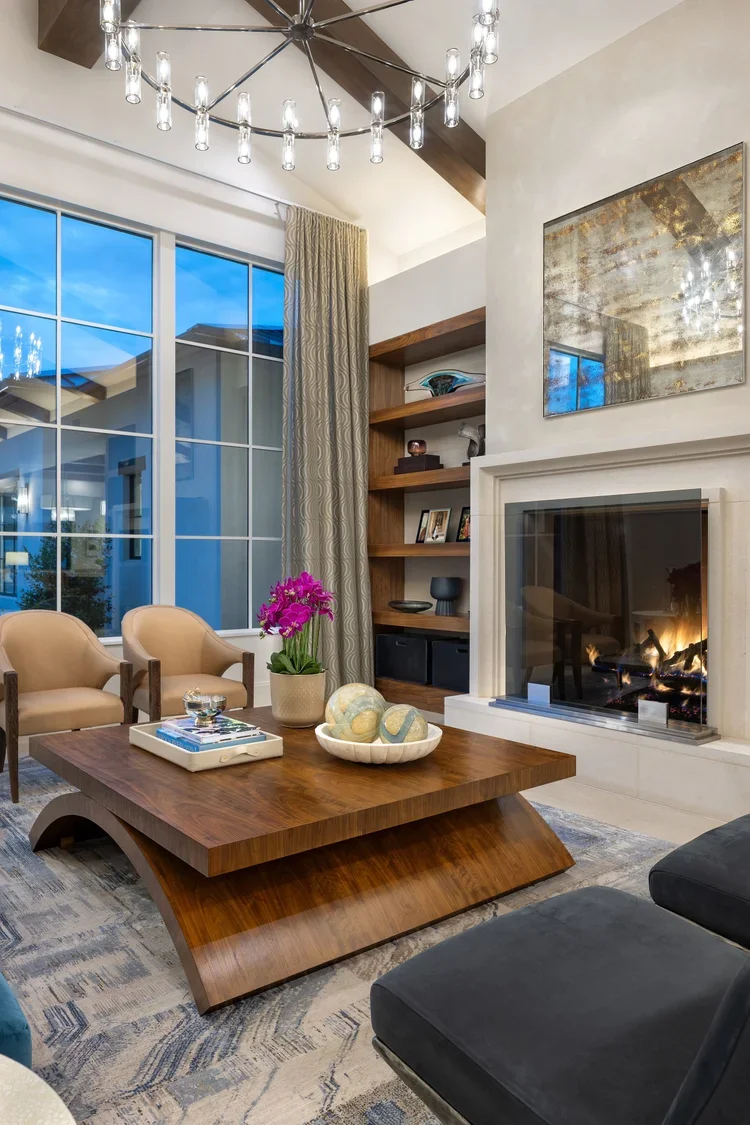
Interior doors, baseboards, window casing, wall paneling and custom millwork are sometimes described as background details. In a thoughtfully designed custom home, they are anything but background. These elements create the visual framework that connects one room to the next. They influence how substantial the architecture feels, how cabinetry relates to the walls, how materials transition and whether the home’s character remains consistent at every scale.

Tile is one of the most visible fixed finishes in a custom home. It covers large surfaces, meets cabinetry and countertops, surrounds plumbing fixtures and often becomes a defining feature of a bathroom, kitchen, fireplace or bar. Selecting the tile is only the beginning. The finished result also depends on where the tile starts, how it aligns, which areas receive each material, where grout joints fall and how the installation responds to niches, benches, windows, plumbing fixtures, cabinetry and adjoining surfaces.
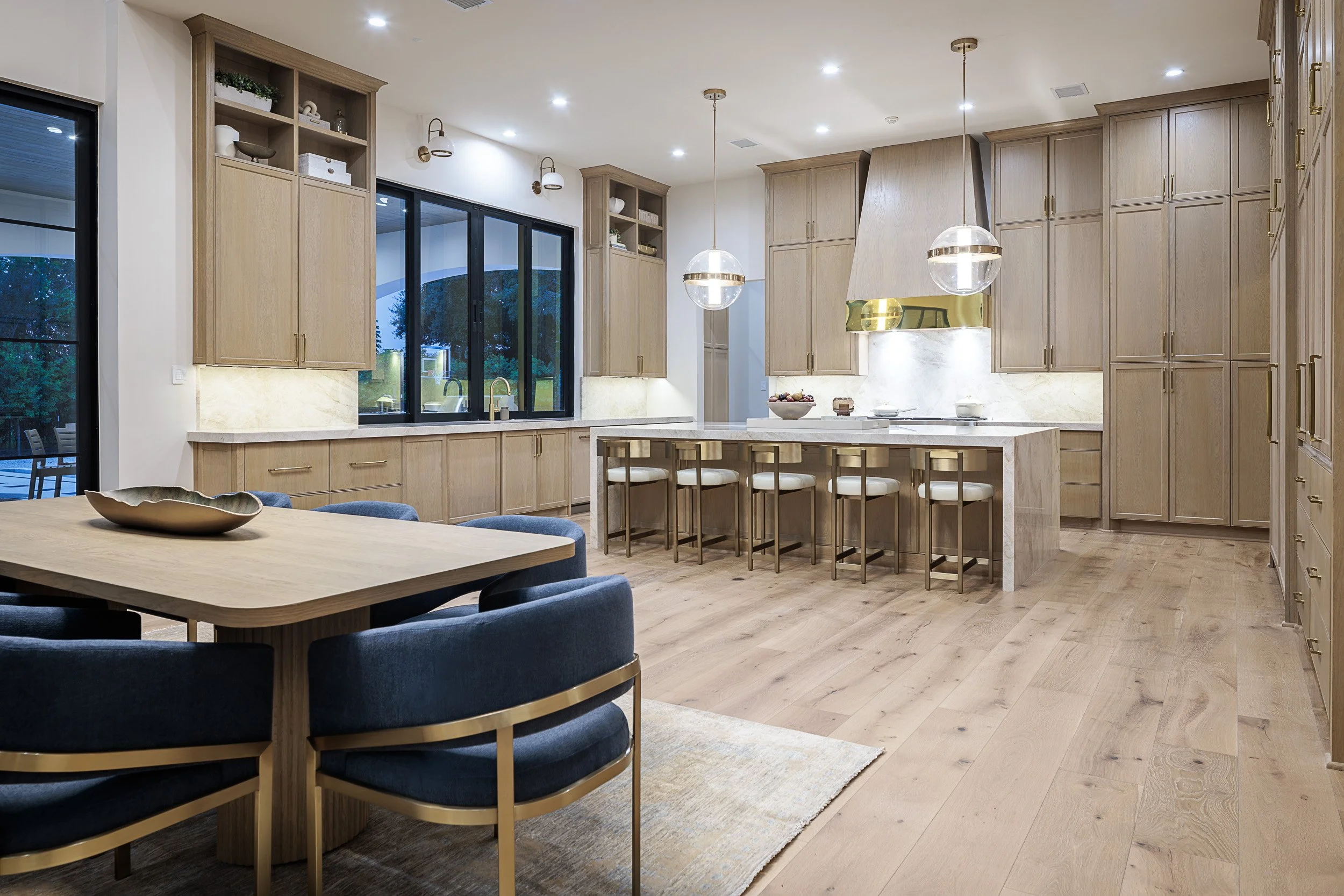
Building a custom home offers an unusual opportunity: nearly every detail can be created around the people who will live there. That freedom also creates an extraordinary number of decisions. Room proportions, cabinetry, lighting, stone, tile, plumbing fixtures, hardware, flooring, furnishings and art all affect one another. A choice that appears purely decorative may change the construction drawings, electrical plan, cabinetry dimensions, installation sequence or budget.

A large custom home offers extraordinary possibilities: generous entertaining spaces, private retreats, rooms designed around specific interests and a deeper connection to the surrounding landscape. It also presents a particular design challenge. When a home contains many rooms, long sightlines and multiple functions, individual selections can begin to feel disconnected. The architecture may be impressive, but the experience of moving through the home can become fragmented if each space is designed in isolation.
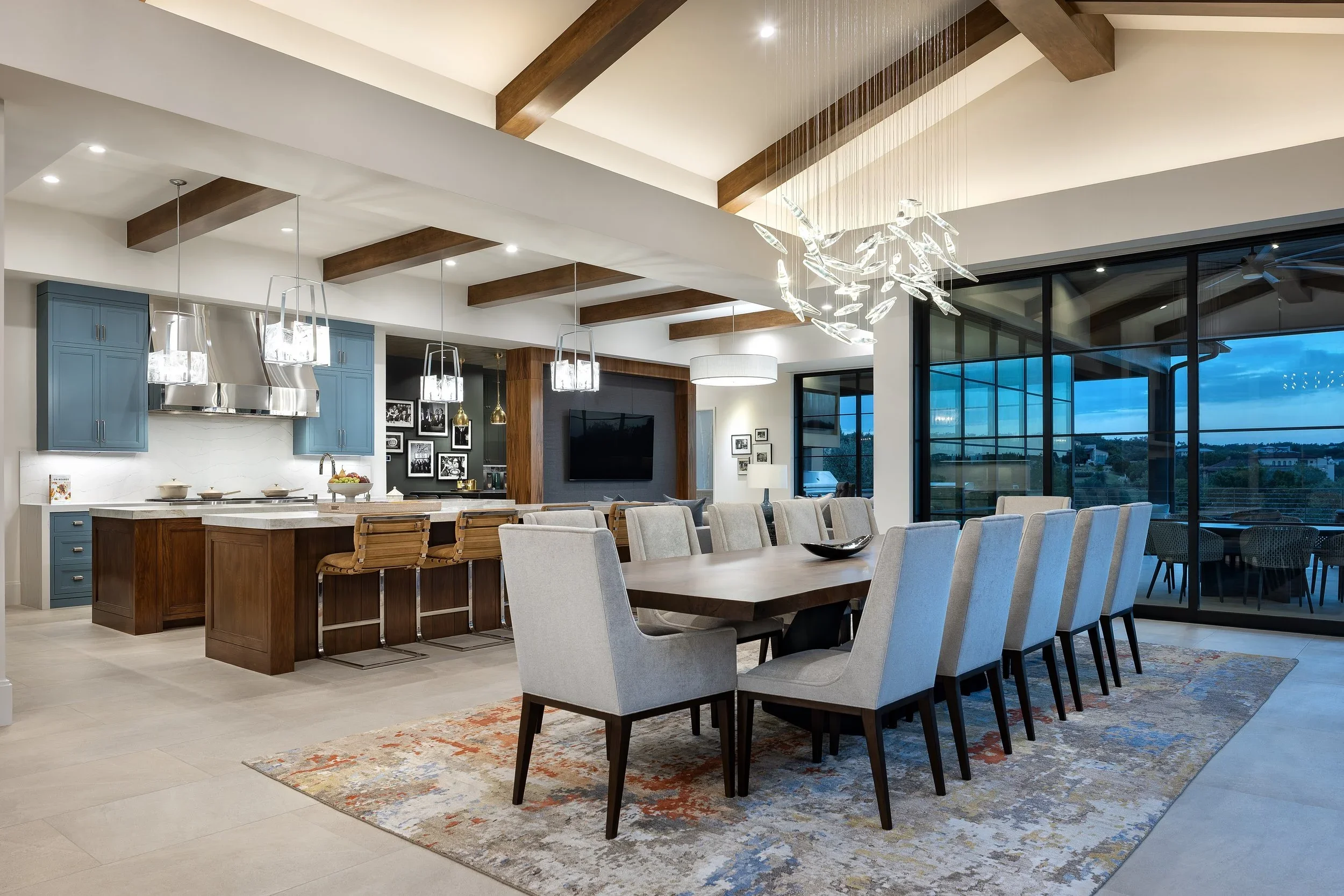
Furnishing a custom home is often described as the enjoyable part of interior design—and it is—but creating a home that feels complete requires much more than selecting beautiful furniture. The process begins with a thoughtful plan. Every sofa, rug, light fixture, window treatment, artwork and accessory must relate to the architecture, fit the room correctly and support the way the homeowner wants to live. Those selections then need to be priced, approved, ordered, tracked, received, inspected, stored and installed in the proper sequence.

Built-in shelves can be one of the most personal elements in a home. They provide a place for books, art, family photographs, travel finds and objects collected over many years. They can also become visually overwhelming. The solution is not to fill every shelf or purchase a collection of unrelated accessories.

Bathroom tile is one of the most exciting—and potentially overwhelming—parts of designing a custom home. There are countless materials, formats, colors, patterns and finishes available. A homeowner can easily fall in love with several individual tiles without knowing whether they belong together or are appropriate for the surfaces where they will be installed. The most successful bathroom designs begin with the room as a whole.

Artwork is one of the most personal layers in a home. It can introduce color, history, humor, movement, and meaning—but even a beautiful piece can feel wrong when its scale or placement is disconnected from the room. Homeowners often ask for a single measurement that will work everywhere. General guidelines are useful, but artwork does not exist in isolation.

Hiring an interior designer does not mean every piece you own must disappear. Many of the most personal homes include furniture, art, antiques, and objects collected over years. Some pieces have financial value. Others are meaningful because they belonged to a family member, were discovered while traveling, or have simply become part of the homeowner’s daily life.

Plumbing fixtures are often thought of as finishing touches—the beautiful faucet, sculptural tub, or shower system that completes a bathroom or kitchen. In a custom home, however, many of these decisions affect construction long before the finished fixtures arrive. The selections can influence plumbing locations, valve requirements, cabinetry, countertop openings, wall depths, tile layouts, electrical needs, and installation clearances. Waiting too long may limit the available choices or require the builder and trades to revisit work that has already been planned.

Custom furniture can be one of the most valuable elements in a thoughtfully furnished home—but it is not automatically the right choice for every room or every piece. The purpose of customization is not simply to make something unusual. It is to solve a specific design problem: a room with unusual proportions, a family that needs a particular level of comfort, an architectural feature that deserves a precise response, or a design vision that cannot be achieved with standard dimensions and finishes. When we develop a furnishing plan, we consider custom, made-to-order, trade, vintage, antique, and ready-made options together.

An area rug is one of the largest visual elements in a living room, yet it is often selected after the furniture—or purchased quickly because the room feels unfinished. The right rug does much more than introduce color or softness. It defines the seating area, influences circulation, improves acoustics, connects the furnishings, and establishes the room’s overall scale. A rug that is too small can make even beautiful furniture feel disconnected.

Countertops may look like a single finish decision, but they affect far more than the surface of a cabinet. Material thickness can influence cabinetry. Slab dimensions can affect seams. Sink and faucet selections determine fabrication details.

Window treatments are often considered toward the end of a project, but the best results begin much earlier. Shades and drapery affect privacy, light control, glare, acoustics, furniture placement, and the way a room feels. They may also require recessed ceiling pockets, blocking, electrical wiring, home-automation coordination, and precise measurements. For a custom home, window treatments should be planned as part of the architecture and furnishings—not treated as an accessory added after move-in.

Lighting is one of the most visible finish selections in a custom home, but it cannot be treated as decoration alone. A fixture’s dimensions affect its placement. Its placement affects the electrical plan. The electrical plan needs to relate to the cabinetry, furniture, artwork, ceiling details, and how each room will actually be used.

When homeowners imagine furnishing a new custom home, they often picture shopping for furniture after construction is nearly complete. By that point, however, many of the most important furnishing decisions should already be made. The best time to begin is once the fixed finishes and interior direction are sufficiently established—often while the home is still under construction. Starting early gives the design team time to develop furniture layouts, confirm the budget, incorporate existing pieces, customize new furnishings, order items with longer production times, and coordinate installation with the builder’s completion schedule.
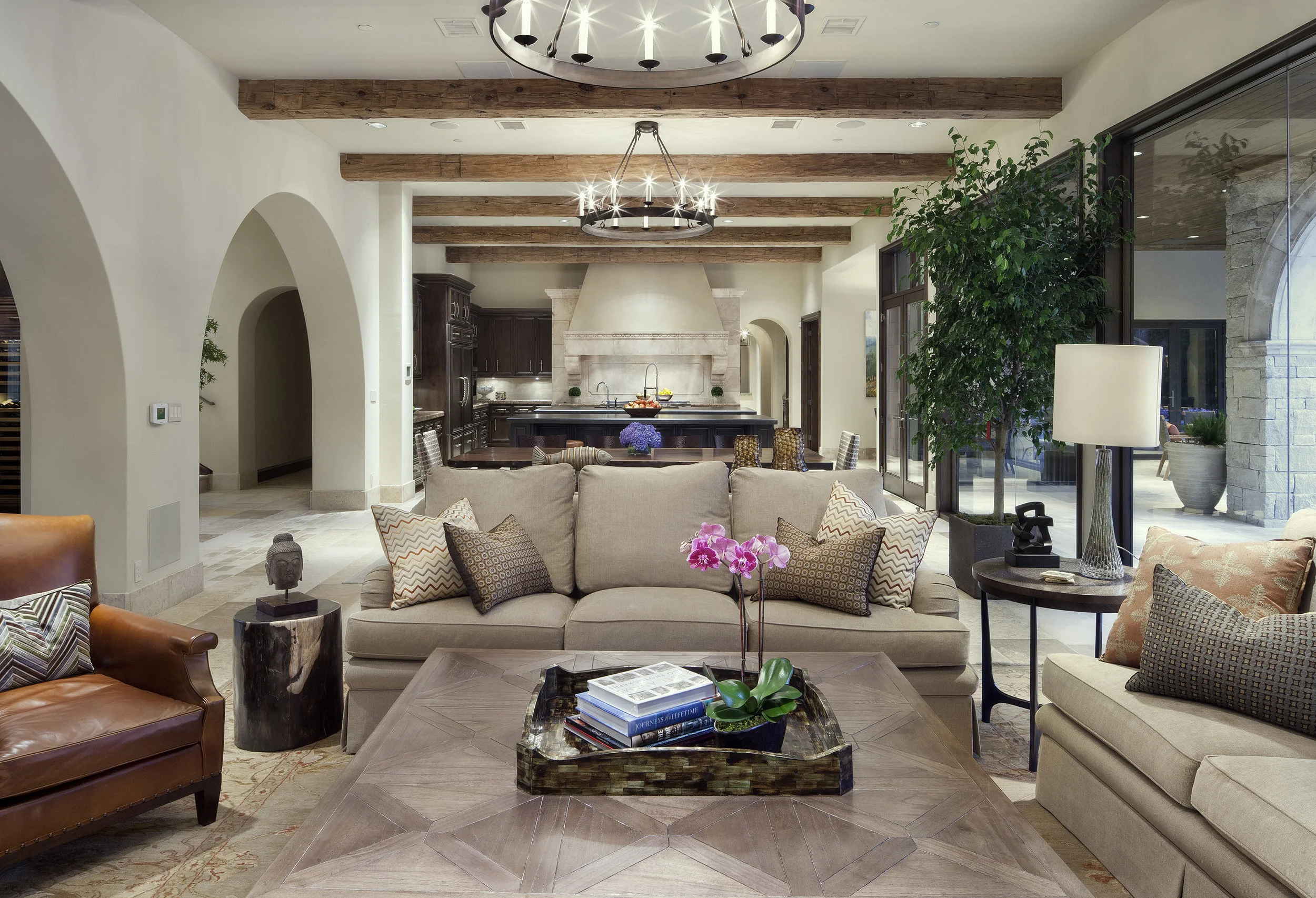
I see style battles between partners all the time and it is to be expected. Well, it’s time to embrace your partners style and understand that it will enhance your new home. Even though you love modern white marbles, emerald velvets and gold accessories doesn’t mean there isn’t room for his traditional style and carved wood and ornate accents. Not only is there room for it but it will make your home unique, warm and inviting for everyone.
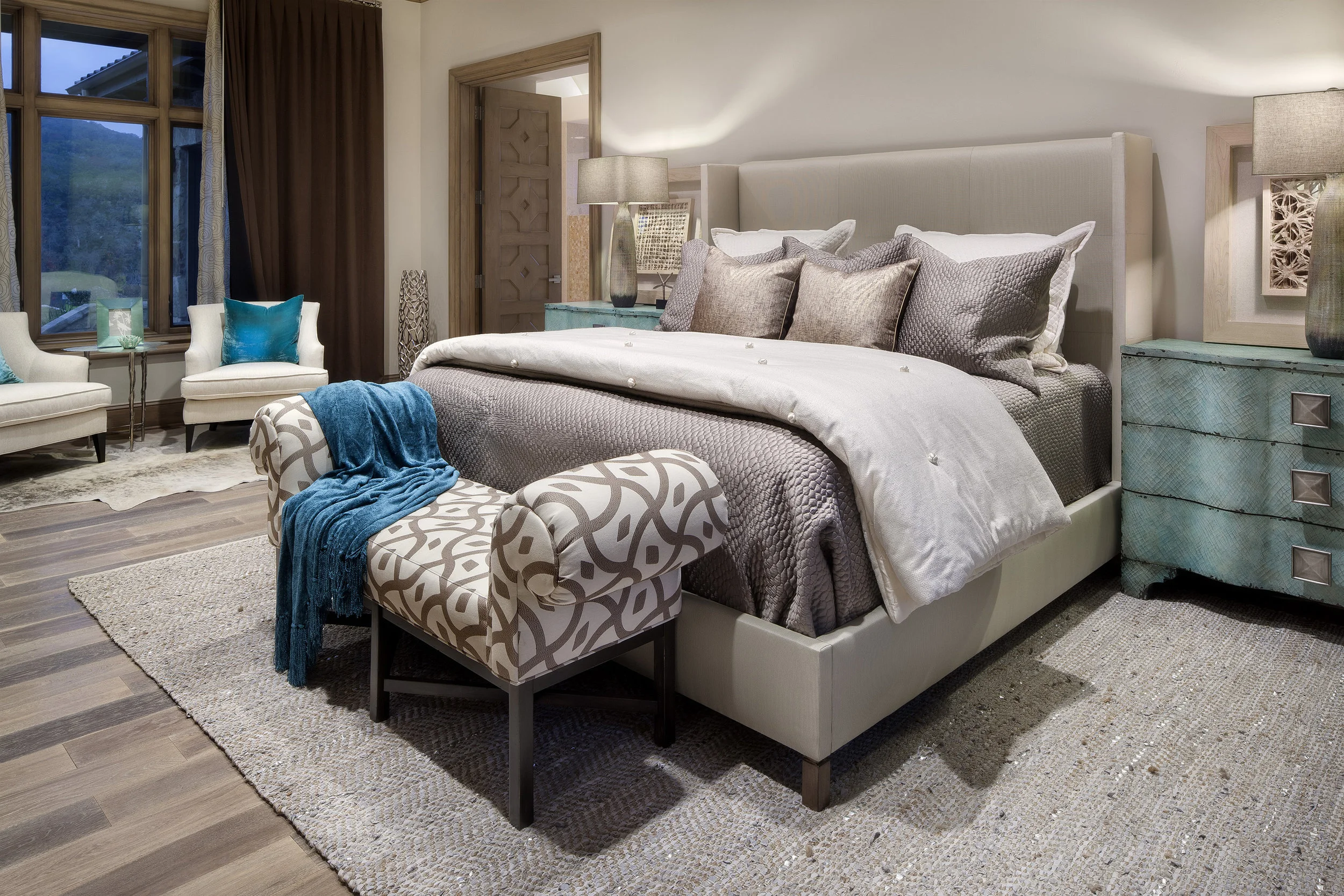
Who doesn’t love soft and cozy carpet beneath their feet? Nothing is better than step out of bed and having that warm feeling when you start your day. But, what about stains and dirt and replacing it? What about resale value?