
Written by Susie Marion
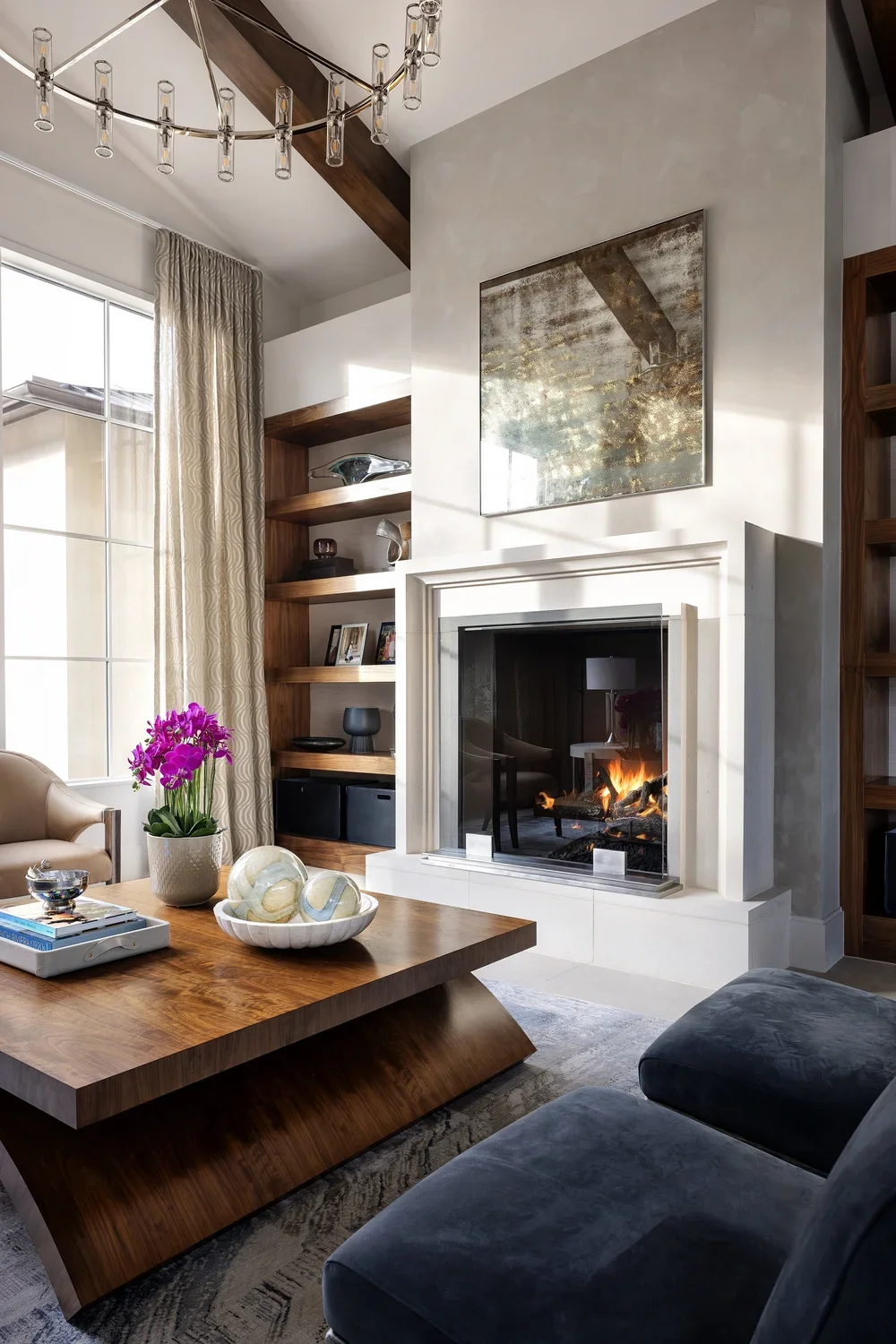
One of the most common misconceptions about interior design is that it begins when it is time to choose tile, paint or furniture. In a custom home, many of the decisions that shape the interior happen much earlier—while the architectural plans are still being developed.
Room proportions, window placement, ceiling conditions, cabinetry, lighting, plumbing, fireplaces, flooring transitions and furniture layouts are interconnected. If those decisions are considered separately, the home may be beautiful on paper but less successful in the way it functions, feels and supports daily life.
At Marion Interior Design, we recommend bringing the interior designer onto the team during architectural planning, before the drawings are finalized. Our role is not to replace the architect or builder. It is to help connect the architecture, fixed finishes and furnishings so the home develops as one cohesive vision.
When should you hire an interior designer for a custom home?
Ideally, hire your interior designer while the architect is developing the plans and elevations.
At this stage, the team still has an opportunity to study how the home will be furnished and lived in before important conditions become difficult to change. The designer can review the plans from an interior perspective and consolidate recommendations for the homeowner and architectural team.
For example, a room may appear spacious until the intended furniture, circulation paths and door swings are drawn to scale. A dining chandelier may need to align with the table rather than the geometric center of the ceiling. A bathroom layout may need to accommodate a wall-mounted faucet, floor-mounted tub filler or carefully proportioned vanity. Drapery pockets, motorized shades and decorative lighting may require framing, wiring or blocking that should be anticipated early.
Hiring a new construction interior designer in Austin before these decisions are fixed gives the entire team more flexibility.
What should the interior designer review before the architectural plans are finalized?
The exact scope depends on the project, but our early interior-architecture work may address:
Room proportions, circulation and functional relationships
Scaled furniture layouts
Kitchen, bathroom and built-in cabinetry layouts
Appliance placement
Fireplace scale and configuration
Window and door finishes and mullion patterns
Flooring allocation and transitions
Decorative-lighting placement
Plumbing and electrical rough-in locations
Floor and wall outlets in relation to furniture
Switch locations in relation to cabinetry, art and doors
Shower niches, benches and tub conditions
Drapery pockets and motorization requirements
Ceiling treatments and architectural details
Locations for trim, shelving and wall paneling
Exterior materials that influence the interior design direction
These are not isolated decorative choices. One decision frequently affects several others.
Moving a window can improve a furniture plan or create a better location for art. Revising a doorway may improve circulation and allow cabinetry to function more successfully. Establishing a furniture layout can clarify the correct positions for lighting, outlets and floor boxes. Selecting a wall-mounted faucet affects plumbing rough-ins, cabinetry and stone.
The goal is to identify these relationships while they can still be coordinated on paper.
Why isn’t the architect or builder responsible for all of these decisions?
The architect, builder and interior designer have distinct but complementary responsibilities.
The architect develops the architectural vision and construction documents. The builder is responsible for pricing, scheduling, construction coordination, code compliance, installation and construction methods. The interior designer focuses on how the interior architecture, fixed finishes and furnishings support the homeowner’s aesthetic, lifestyle and functional priorities.
A full-service interior designer in Austin also considers the later layers of the home while early plans are being developed. We are thinking about the sofa while reviewing floor outlets, the dining table while locating the chandelier, the window treatments while reviewing ceiling conditions and the art collection while studying wall proportions.
That perspective helps the architecture and furnishings support one another rather than becoming separate projects.
The most successful process is collaborative. Marion Interior Design’s service model includes architectural meetings, plan and elevation redlines, fixed-finish selections, specification schedules, detailed design development and scheduled site coordination.
Can the interior designer join after the plans are complete?
Yes, but the available options may be more limited.
A designer can still improve a project after the plans are finalized. The difference is that the work may focus more heavily on responding to existing conditions. Some desired revisions may require architectural changes, added engineering, new pricing or construction change orders. Other changes may no longer be practical once permits, framing, rough-ins or fabrication are underway.
This does not mean that every finish must be selected before the architectural plans are complete. It means the design direction and the decisions that affect architecture should be identified early enough to inform the drawings.
Once the plans are more established, the design process can move into detailed fixed-finish selections, specification schedules and implementation drawings.
Does hiring an interior designer early slow down the architectural process?
Early design involvement should create more organized decision-making, not simply add another layer of opinions.
At Marion Interior Design, we begin by understanding the homeowner’s aesthetic preferences, lifestyle, functional needs, priorities and investment goals. We then review the plans with that shared direction in mind and consolidate feedback for the architectural team.
There will always be decisions and revisions during a custom-home project. The objective is to make the most consequential decisions when the team has the greatest flexibility—not under pressure when a trade is waiting in the field.
Early coordination can also create a clearer path for later pricing. Once fixed finishes are selected, they are translated into organized specification schedules for builder pricing and procurement. Detailed design development follows with cabinetry, tile, plumbing, lighting, stone, hardware and other visible elements considered at the appropriate scale.
When should furnishings enter the conversation?
Furniture planning should begin during the architectural stage, even when the actual furnishing selections will happen later.
Scaled furniture layouts can affect:
Room dimensions
Door and window placement
Circulation
Lighting locations
Floor outlets
Fireplace and television locations
Built-in cabinetry
Drapery conditions
Rug sizes
The relationship between adjoining spaces
Marion Interior Design’s furnishing process begins with lifestyle requirements, budgets, existing pieces and scaled layouts before moving into furniture, rugs, window treatments, art, accessories and installation.
Thinking about furnishings early does not require purchasing everything immediately. It protects the home’s ability to accommodate the completed design.
What is the best first step?
If you are considering a custom home, contact an interior designer when you begin interviewing architects and builders—or as soon as preliminary plans are available.
You do not need to have every preference resolved. The early process is designed to establish those priorities and turn them into a coordinated direction.
Marion Interior Design guides custom homes from architectural planning through fixed finishes, furnishings, procurement and turnkey installation. Our team works collaboratively with homeowners, architects and builders to connect the major decisions with the details that make a home personal.
Planning a custom home in Austin or Central Texas? Contact Marion Interior Design before the architectural plans are finalized so the interiors can help shape the home from the beginning.